
Tetrahydrothiophene, commonly known as THT, is a chemical compound widely used to odorize natural gas. Naturally, natural gas is odorless and poses a serious safety risk in the event of a leak. THT is added in small quantities to give the gas a strong, unpleasant smell, often compared to rotten cabbage or garlic.
This distinctive odor allows people to detect leaks quickly and take action before accidents occur. THT is especially valued for its chemical stability and effectiveness at very low concentrations. Its use has become a standard safety measure in many countries, particularly across Europe.
What is tetrahydrothiophene used for?
Tetrahydrothiophene (THT) is mainly used as an odorant for natural gas and liquefied petroleum gas (LPG). Natural gas has no smell, so THT is added in small amounts. This gives it a detectable scent for leak detection and safety.
THT is stable, not very toxic, and has a consistent smell, making it great for this use. In some industries, THT is used as a solvent or in chemical processes. However, its main use is still for gas odorization.
What does tetrahydrothiophene smell like?
Tetrahydrothiophene has a strong, sulfurous odor that is often described as resembling garlic, decaying cabbage, or burnt rubber. It is extremely pungent and easily detectable even at very low concentrations (parts per billion). This strong and unpleasant smell is used to warn people about gas leaks. This makes THT a good safety additive for odorless gases like methane.
What are the hazards of tetrahydrothiophene?
While THT is not highly toxic, it can still be harmful to health and the environment if not handled correctly. High concentrations can irritate the eyes, skin, and lungs. In areas with poor ventilation, breathing it in may cause headaches, dizziness, or nausea.
THT is also flammable, so keep it away from flames or sparks. To reduce risks, proper storage and handling are important. Using personal protective equipment (PPE) is essential, especially in systems that store or inject odorants.
Why is tetrahydrothiophene added to natural gas?
Tetrahydrothiophene is added to natural gas as a warning agent. This helps people smell gas leaks that might go unnoticed. Its strong and familiar odor ensures that leaks are detected quickly. This helps prevent accidents, explosions, or asphyxiation.
THT is chosen because it works well with gas. It has a long shelf life and keeps a steady smell in the gas distribution system. This makes it a reliable choice for gas companies and safety regulations.
How YZ Systems Supports Safe Odorization with THT
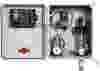
To ensure precise and reliable THT injection, many utilities and gas distributors rely on YZ Systems’ advanced odorization equipment.
YZ provides a variety of automated odorant injection systems made for THT and other sulfur-based compounds. Their systems feature accurate dosing, remote monitoring, and fail-safe controls. This guarantees the correct amount of odorant is delivered at all flow rates.
YZ Systems has years of experience in gas odorization. They help operators follow regulations. Their technology protects public safety and reduces maintenance.
YZ odorization units are a dependable option. They are used for transmission pipelines, distribution networks, and LNG applications. These units safely and efficiently add THT to natural gas systems.