Benefits of Purpose-Built Odorization Systems Over Standard Chemical Injection Systems
Odorant injection may look similar to chemical dosing, but gas odorization is a mission-critical safety application with its own operating, monitoring, documentation, and compliance requirements. While a standard chemical injection system can physically inject odorant, a purpose-built odorization system is engineered specifically to deliver accurate, traceable, and reliable odorant dosing into natural gas, RNG, biomethane, LNG, or LPG streams.
For biomethane and RNG producers, this distinction is especially important. Gas flow can vary significantly from one site to another, and odorant injection must remain proportional, auditable, and safe across changing operating conditions.
1. Designed specifically for gas odorization
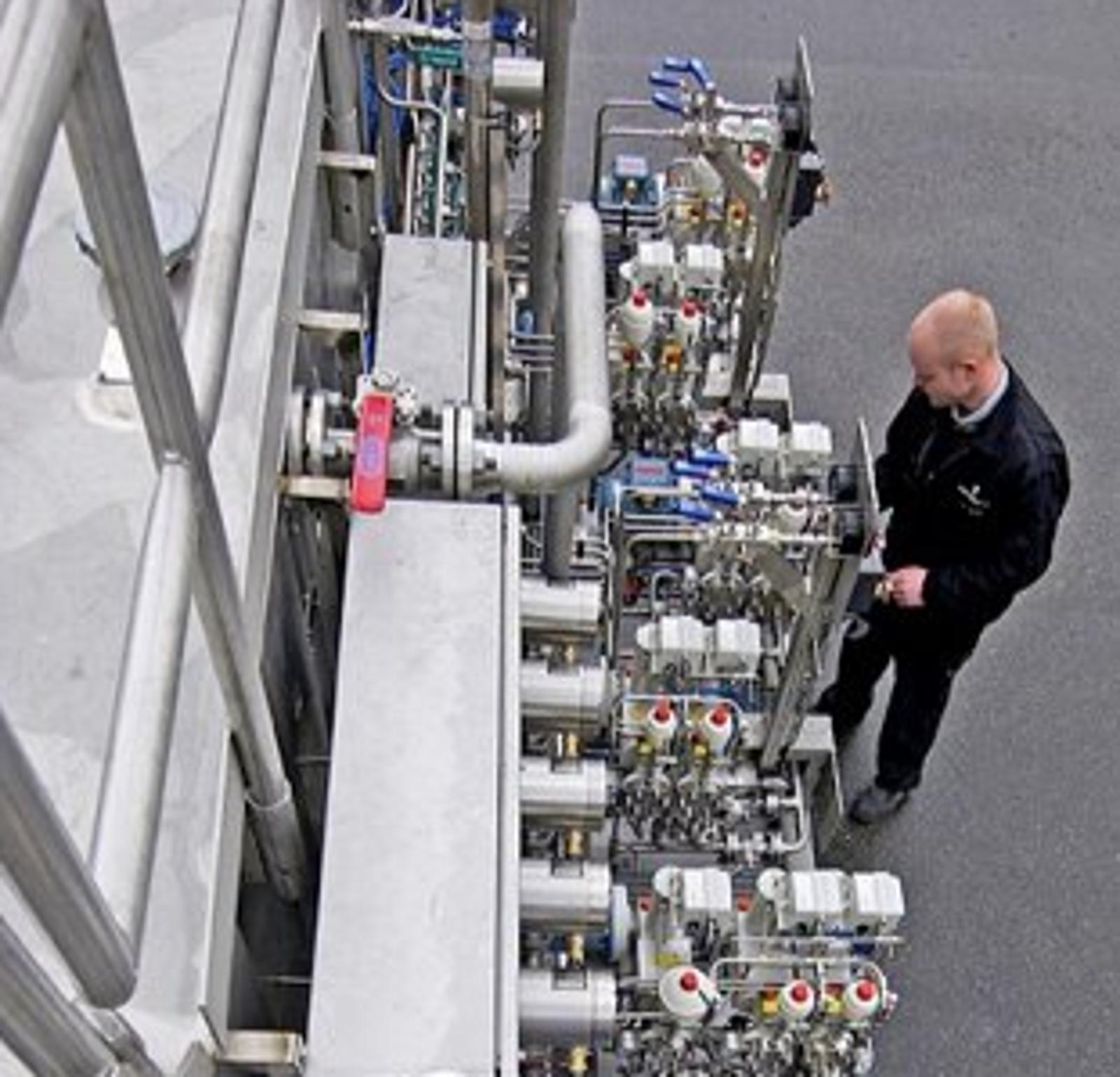
Odorization systems are engineered for one purpose: the safe and accurate injection of odorant into gas. Unlike general-purpose chemical injection systems, they are designed around the practical requirements of odorant handling, proportional injection, field serviceability, and public-safety compliance.
This matters because odorants such as THT and mercaptan blends are highly recognizable at very low concentrations. Any leak, spill, or service error can create false gas-leak alarms, trigger emergency responses, and disrupt nearby communities or facilities. A dedicated odorization system helps reduce that risk by using a design tailored to odorant containment, maintenance access, and safe operation.
2. Accurate and proportional odorant injection
Gas odorization requires more than simply injecting a chemical into a line. The system must dose odorant in proportion to gas flow and maintain the target injection rate defined by the operator, utility, or local specification.
Purpose-built odorization systems are designed with measurement, metering, and control features that help maintain consistent odorant delivery even when gas flow changes. This is especially important for RNG and biomethane sites, where production rates may fluctuate depending on feedstock quality, digester performance, seasonal conditions, or grid-injection demand.
The result is more consistent odorant concentration, better control of odorant consumption, and greater confidence that the gas remains detectable for safety.
3. Higher reliability for mission-critical operation
Odorization is not a secondary process. It is directly linked to the safe distribution and use of combustible gas. For that reason, odorization systems are built with reliability, durability, and maintainability in mind.
Compared with a standard chemical injection package, a dedicated odorization system is generally better suited for continuous operation, controlled odorant handling, alarm management, and field maintenance. Robust components, application-specific design, and structured testing help reduce the risk of dosing interruptions or unplanned maintenance.
For gas utilities and biomethane operators, that reliability is essential because odorization performance must be maintained consistently across distributed injection points.
4. Documentation, traceability, and audit support
One of the main advantages of a dedicated odorization system is the ability to support documentation and traceability. Operators often need access to data such as odorant consumption, injection performance, alarms, service events, and maintenance records.
This information supports regulatory reporting, internal audits, troubleshooting, and long-term performance optimization. It also helps operators demonstrate that odorization has been managed consistently and that the system has operated as expected over time.
For biomethane grid injection, where multiple smaller production sites may feed into a distribution network, this traceability becomes even more valuable.
5. Integration with monitoring and control systems
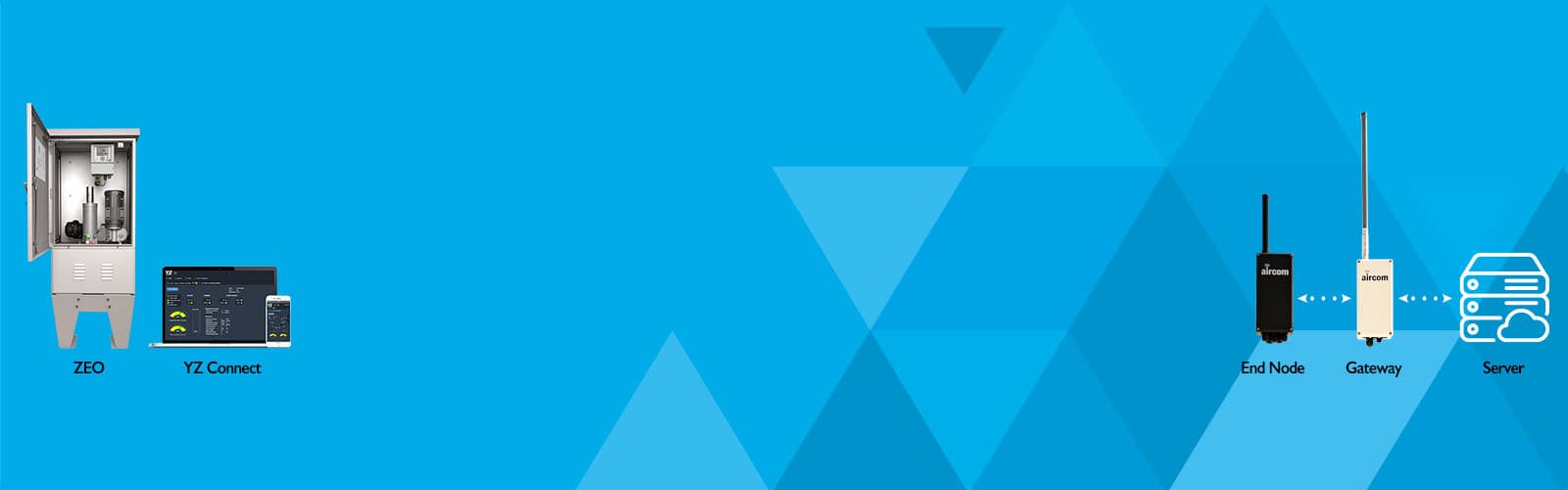
Modern odorization systems can be designed to integrate with supervisory control and monitoring platforms, including SCADA or other centralized control environments. This allows operators to monitor odorization status, track operating data, receive alarms, and support remote diagnostics.
For networks with multiple RNG or biomethane injection points, centralized visibility can improve operational efficiency and help maintenance teams respond more quickly when attention is required.
6. Standardized design across multiple odorization points
For utilities and operators managing several gas injection sites, standardization is a major advantage. A purpose-built odorization system allows the same basic design, operating logic, service approach, and documentation structure to be used across multiple locations.
This makes it easier for field technicians to operate and maintain the equipment, reduces training complexity, simplifies spare-parts planning, and improves long-term supportability.
By contrast, using custom EPC-designed chemical injection systems can result in different configurations from one site to another, making maintenance, troubleshooting, and lifecycle support more difficult.
Why this matters for RNG and biomethane plants
While standard chemical injection systems can be adapted for odorant dosing, purpose-built odorization systems provide important advantages in safety, accuracy, traceability, reliability, and long-term maintainability.
For RNG and biomethane producers, odorization is the final step that helps make renewable gas safe and acceptable for distribution. Accurate odorant injection supports leak detectability, utility requirements, and public safety, while giving operators the control and documentation needed for reliable grid injection.