Biomethane in Europe: Challenges, Standards and Innovative Solutions
Biomethane has moved from niche to strategic. Under REPowerEU, the EU is targeting 35 billion cubic metres (bcm) of biomethane annually by 2030 — roughly a sevenfold increase on current production of ~5 bcm — as a domestic, renewable substitute for imported fossil gas. The number of grid-injection stations is climbing fast across France, Italy, Spain, Germany and Denmark, driven by RED III sustainability rules and the EU Gas Package's new "right to grid injection" for renewable-gas producers. Beyond network injection, biomethane is opening new uses in on-farm energy autonomy and agricultural mobility. [energy.ec.europa.eu]
What a biomethane injection station includes
Every injection station is engineered to strict safety and gas-quality requirements. Three subsystems do the critical work:
- Gas skid (connection & metering) — ensures safe integration with the network and accurate flow measurement at the grid entry point.
- Gas analysers (quality & odorant control) — process gas chromatographs verify composition against grid spec and monitor odorant level (THT or mercaptan blends) in real time.
- Odorization system (safe injection & distribution) — maintains odorant concentration within a few milligrams per cubic metre so the gas is detectable before it is dangerous.
The engineering challenge: wide, variable operating conditions
Condition | Typical range | Why it complicates odorization |
Agricultural station flow | A few dozen to several hundred Nm³/h | Low, intermittent flow makes proportional micro-dosing hard |
Industrial station flow | Up to ~3,000 Nm³/h | Wider turndown demands accurate scaling of odorant rate |
Commissioning flow | Down to ~10–20 Nm³/h | Very low start-up flow needs specialist low-volume dosing |
Network pressure | A few bar to ~70 bar | Odorant delivery must stay accurate across the pressure range |
Maintaining a stable odorant concentration across all of this — not just at design flow — is the core operational and regulatory challenge. Under-odorization is a public-safety failure; over-odorization wastes costly odorant and generates complaints.
The standards that govern grid injection
Biomethane must meet the same grid-quality expectations as fossil gas. In Europe the reference standards are EN 16723-1 (grid injection) and EN 16723-2 (automotive fuel), alongside EN 16726 (gas quality), while odorant type and concentration are set nationally — for example THT at ~20–25 mg/Nm³ in some markets, mercaptan blends at ~8–16 mg/Nm³ in others. National oxygen limits also vary widely (France as low as ~0.001% mol/mol versus higher tolerances elsewhere), which is why cross-border harmonization remains a live issue for the sector.
Innovative odorization solutions
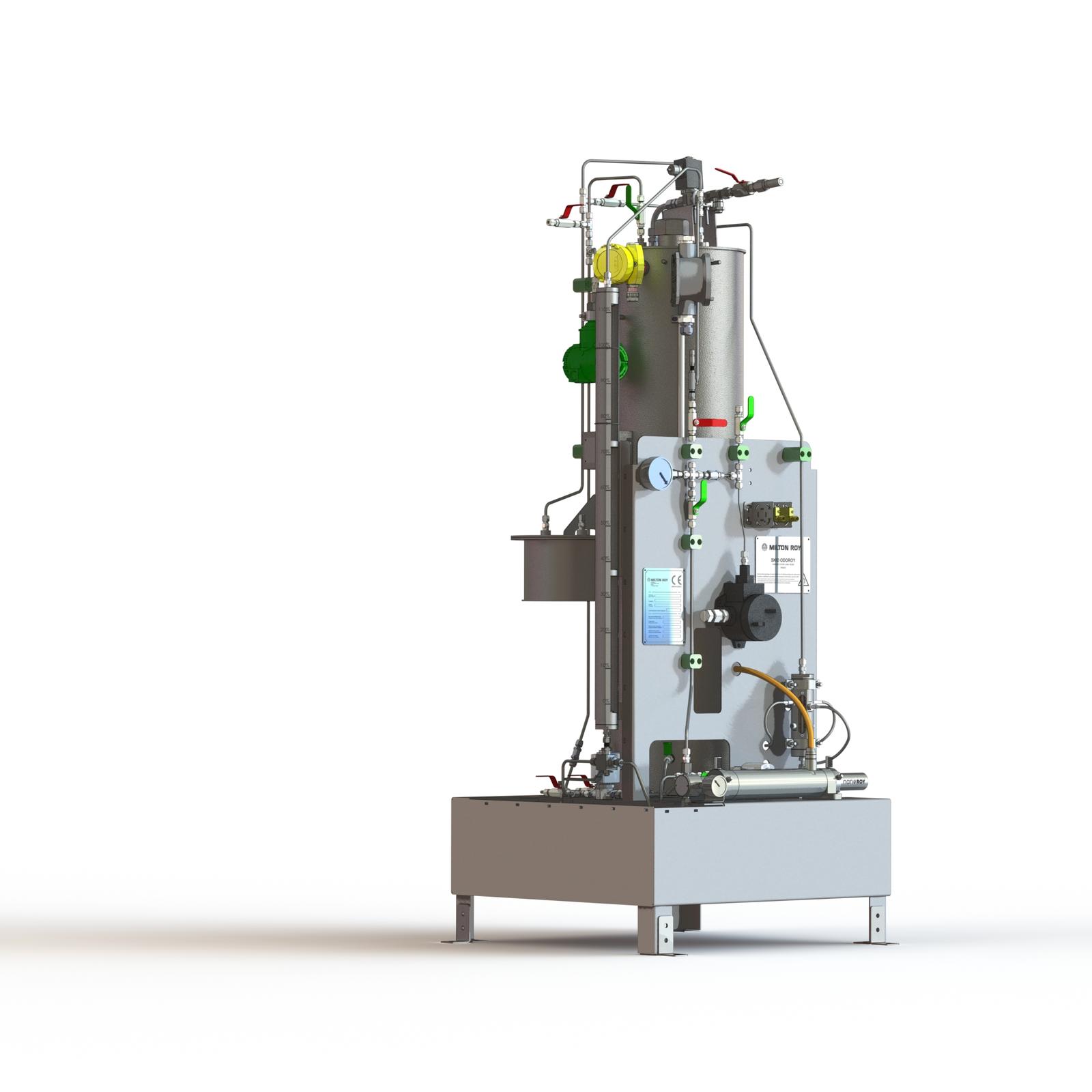
ODOROY

LVO (Low Volume Odorizer)
A 100% autonomous pneumatic system for low-flow injection, operating with compressed air or nitrogen at 2 bar. Proven over decades, these systems deliver precise micro-litre dosing per pump stroke in ATEX zones.
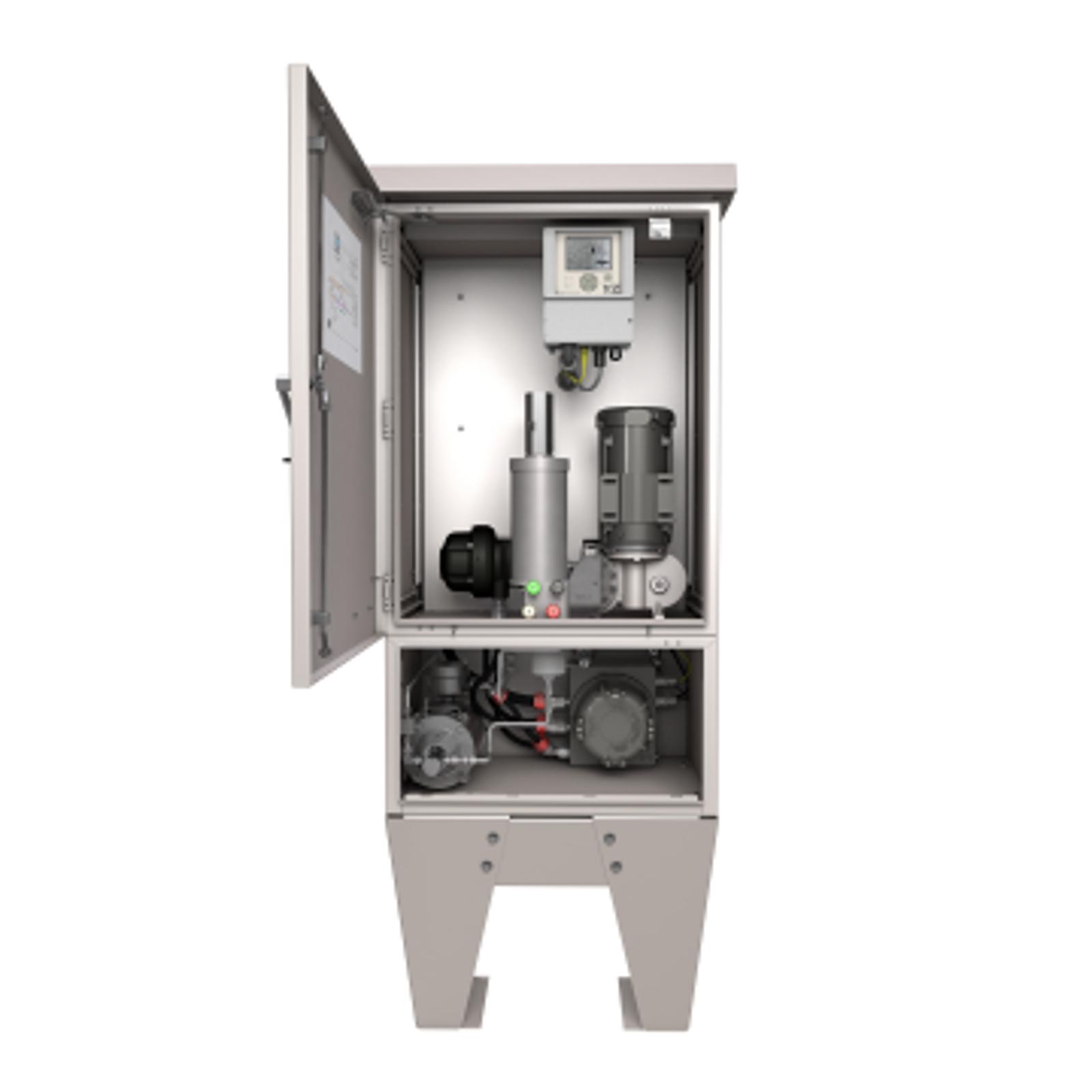
ZEO (Zero Emission Odorizer)
The ZEO is a "total systems approach" designed to be an incredibly versatile system for low, mid, and high flow rates. This makes it ideal for scalability.
Beyond Network Injection: Emerging Applications
While grid injection remains the primary route, biomethane is increasingly used for on-farm energy autonomy and agricultural mobility — manufacturers such as New Holland now offer biomethane-powered tractors, letting farms close the loop from waste to fuel. Each new use case still relies on safe, accurate odorization wherever the gas reaches people.
Why Partner with YZ Systems?
- Proven expertise in gas odorization and injection systems across European networks.
- Solutions tailored for low and high flow rates, across the full pressure range biomethane stations operate in.
- A single-supplier platform — LVO, ZEO plus Aircom™ / YZ Connect telemetry — for safety, compliance and operational excellence.
Explore our RNG Value Chain RNG
Renewable natural gas production relies on a network of technologies that transform organic waste into a pipeline-ready renewable fuel. YZ Systems is part of Ingersoll Rand, which offers the full range of solutions covering all aspects of the RNG process. The global ecosystem of companies include manufacturers of natural gas compressors, blowers and vacuum solutions for extraction, as well as pumps, loading arms and odorization systems, with integrated specialized IIoT systems for remote monitoring.

LERoy RNG Compressors
Once biogas has been cleaned and upgraded, reliable gas compression becomes essential for processing, storage, transportation, and pipeline injection. Explore how RNG compressors help move biomethane efficiently through the value chain while handling challenging gas compositions and demanding operating conditions.

HOFFMAN & LAMSON Blowers
Modern landfill gas systems do more than control emissions. They transform methane-rich waste gas into a valuable renewable energy resource. Discover the technologies and equipment used to safely extract, capture, and prepare landfill gas for flaring, power generation, or upgrading into renewable natural gas (RNG).

NASH Vacuum Solutions
Efficient biogas production depends on every stage of the process, from gas extraction and conditioning to upgrading and compression. Learn how advanced vacuum and compression technologies help maximize methane recovery, improve system reliability, and support the production of high-quality renewable natural gas.

Milton Roy Chemical Dosing Solutions
Reliable RNG production relies on accurate chemical dosing across multiple process stages, including anaerobic digestion, gas cleaning, H₂S removal, water treatment, and utility systems. Explore how advanced metering technologies deliver the precision, repeatability, and operational reliability needed to optimize performance, safeguard critical assets, and support long-term renewable gas production.

Ingersoll Rand Dryers
Moisture, contaminants, and particulates can impact the performance of downstream RNG equipment and infrastructure. Discover why effective drying and filtration are critical for protecting compressors, improving gas quality, and ensuring reliable operation throughout the renewable natural gas process.

YZ Gas Odorization Systems
Before renewable natural gas can be distributed safely through pipeline networks, proper odorization is essential. Explore how modern odorant injection systems help utilities and operators meet safety requirements, maintain regulatory compliance, and ensure reliable odorant monitoring and control.

Emco Wheaton Biogas Loading / Unloading Arms
As RNG production grows, safe and efficient transfer solutions become increasingly important. Learn how specialized loading arms support the handling of biomethane and renewable gases across truck, rail, marine, and storage applications while improving safety and operational efficiency.

AIRCOM Digital Monitoring & Industrial IoT for RNG Facilities
Connected technologies are transforming how renewable gas assets are monitored and managed. Discover how Industrial IoT solutions enable real-time visibility, remote monitoring, predictive maintenance, and data-driven decision making across biogas and renewable natural gas operations.