Decreasing Methane Emissions in Natural Gas Odorization
Methane is a small share of greenhouse-gas emissions by volume, yet it punches far above its weight: it is responsible for roughly 30% of the rise in global temperatures since the Industrial Revolution. The reason is potency. Molecule for molecule, methane traps about 80 times more heat than CO₂ over a 20-year horizon (around 28× over 100 years), while persisting in the atmosphere only ~12 years. That combination — high potency, short life — is exactly why cutting methane is the single fastest lever the energy industry has to slow near-term warming.
For natural-gas utilities and renewable-gas producers, that lever reaches into an unexpected place: odorization. YZ Systems is helping operators eliminate methane emissions from the odorizing step itself, with zero-emission technology that delivers accurate, reliable odorization without venting gas to atmosphere.
Why odorization can emit methane in the first place
Natural gas and biomethane are naturally odorless, so a sulfur-based odorant — typically tetrahydrothiophene (THT) or a mercaptan blend — is injected in tiny, precisely controlled quantities so that a leak is detectable long before it becomes dangerous. Many conventional odorizer designs use pipeline gas as the actuation or instrument supply to drive the injection mechanism, then bleed or vent that gas to atmosphere on every cycle. Across thousands of injection cycles, that adds to a continuous, low-level methane release — an emission source hiding inside a safety system.
The fix is a design that decouples odorant injection from any gas bleed. That is the engineering principle behind YZ's zero-emission platform: deliver the same proportional-to-flow accuracy and auditability operators rely on, without releasing methane during normal operation.
How much methane is in the air — and where it comes from
Methane (CH₄) is emitted both naturally — from wetlands, wildfires and geological seepage — and by human activity across energy, agriculture and waste. Today, roughly 60% of methane emissions are human-caused, with natural sources making up the balance. The energy sector alone accounts for about 35–40% of human-caused methane, which is why oil, gas and renewable-gas operators are under growing pressure — and growing regulation — to find and eliminate emission sources across their infrastructure.
Why cutting methane matters — and the targets driving it
Because methane is so potent but short-lived, reducing it delivers climate benefit quickly. That logic underpins the Global Methane Pledge, launched at COP26, in which 150+ countries committed to cutting global methane emissions by at least 30% from 2020 levels by 2030. Independent assessment suggests that available technologies could cut as much as 45% of projected methane emissions by 2030 — meaning most of the reduction is achievable with equipment and practice changes that exist today. Emission-free odorization is one of them.
The direction of travel is already visible in the data: in the United States, methane emissions fell roughly 19% between 1990 and 2022, even as gas infrastructure expanded — evidence that modernization works when operators adopt lower-emission technology.
Modernizing infrastructure: methane-free odorization
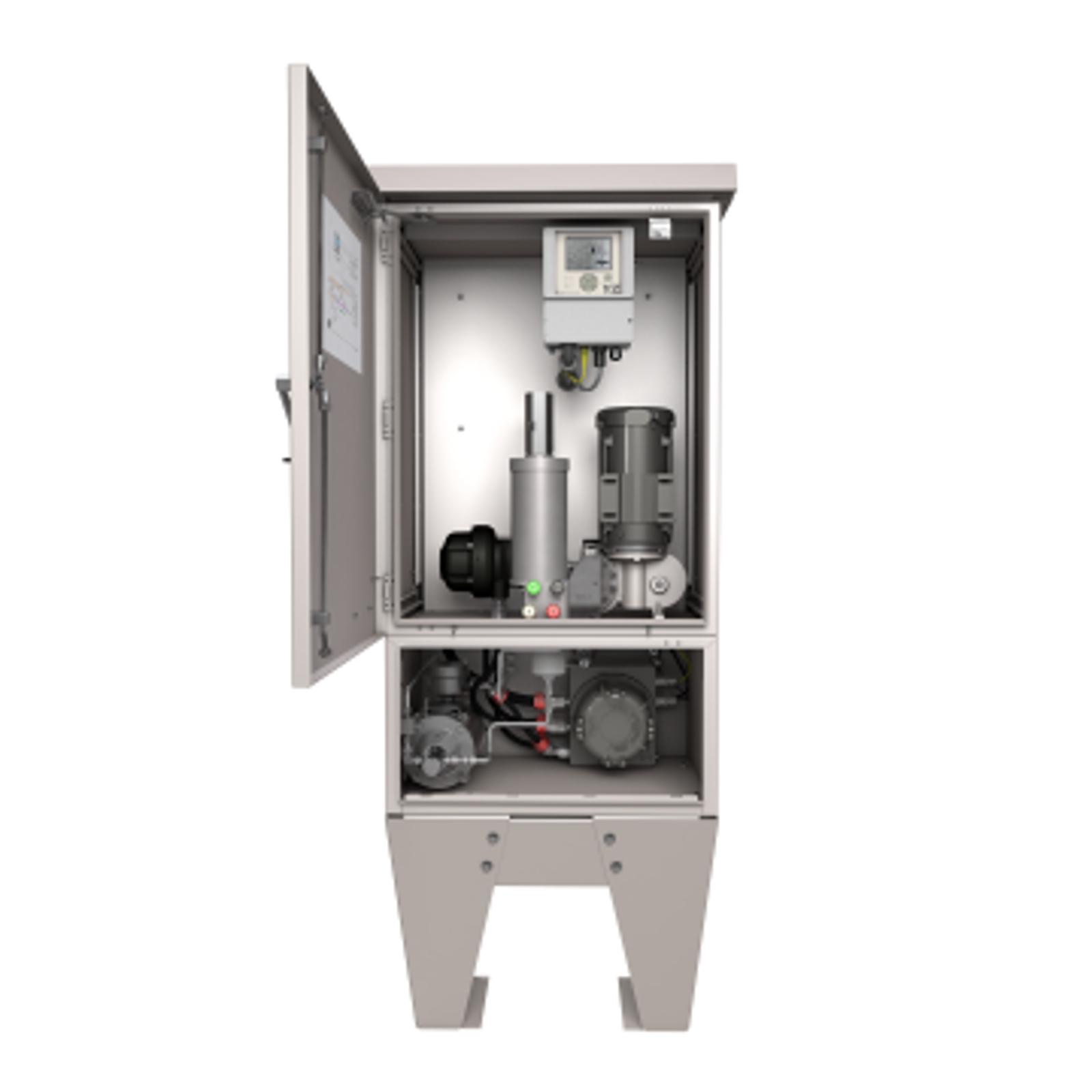
Utilities reduce emissions through infrastructure modernization — replacing older, bleed-based equipment with designs engineered for zero-emission operation. In odorization specifically, YZ Systems offers two complementary platforms. Both integrate with YZ Connect telemetry for remote monitoring, audit trails and compliance reporting, and can be paired with the DTEX odorant-detection system for verification. The result is a modern odorization program that meets public-safety obligations while advancing the operator's own methane-reduction goals — turning a compliance requirement into an emissions win.
Join YZ's methane-reduction approach
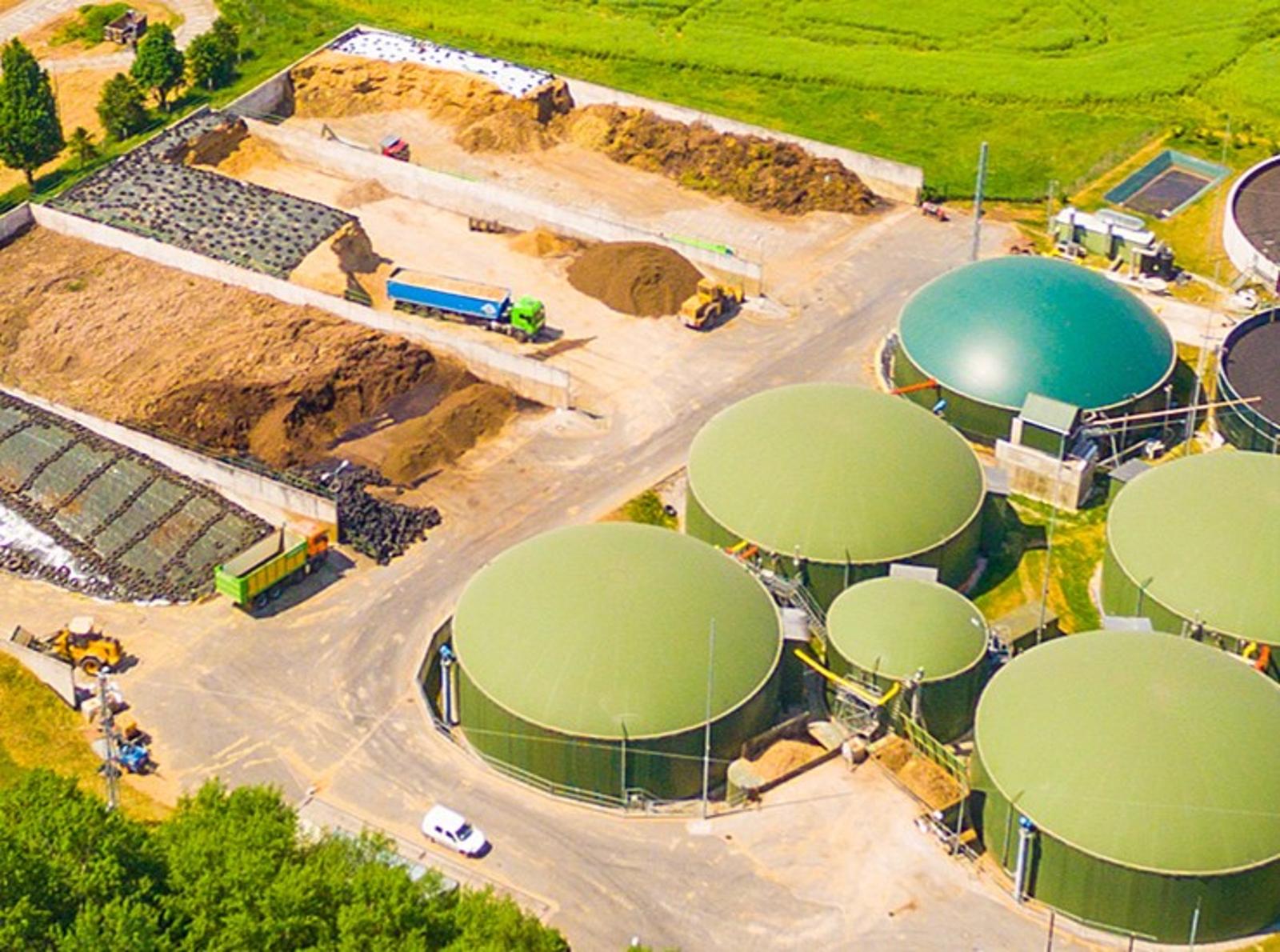
Whether you operate a distribution network, a landfill or agricultural RNG facility, or a biomethane grid-injection station, YZ's zero-emission odorization technology lets you expand your methane-reduction plan into a step that used to be overlooked. Explore the ZEO and LVO odorizers — or talk to a YZ odorization specialist about retrofitting existing NJEX units to zero-emission operation.