Across Europe, cities are accelerating the shift toward cleaner mobility. Biomethane — produced locally from organic waste — is emerging as a key enabler of this transition. But transforming waste into fuel is only part of the equation. Ensuring safe, reliable, and cost-effective fuel distribution is what makes these projects truly viable. 

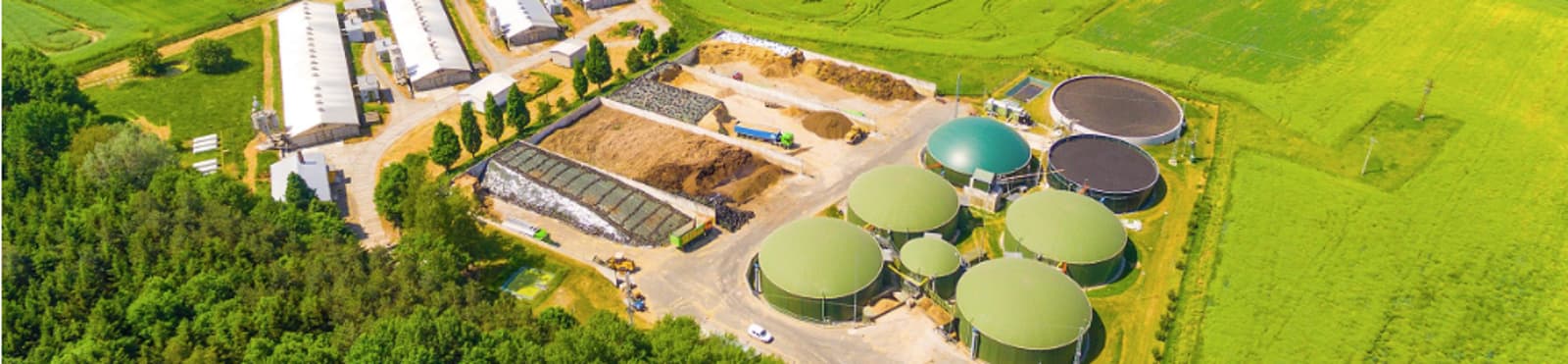
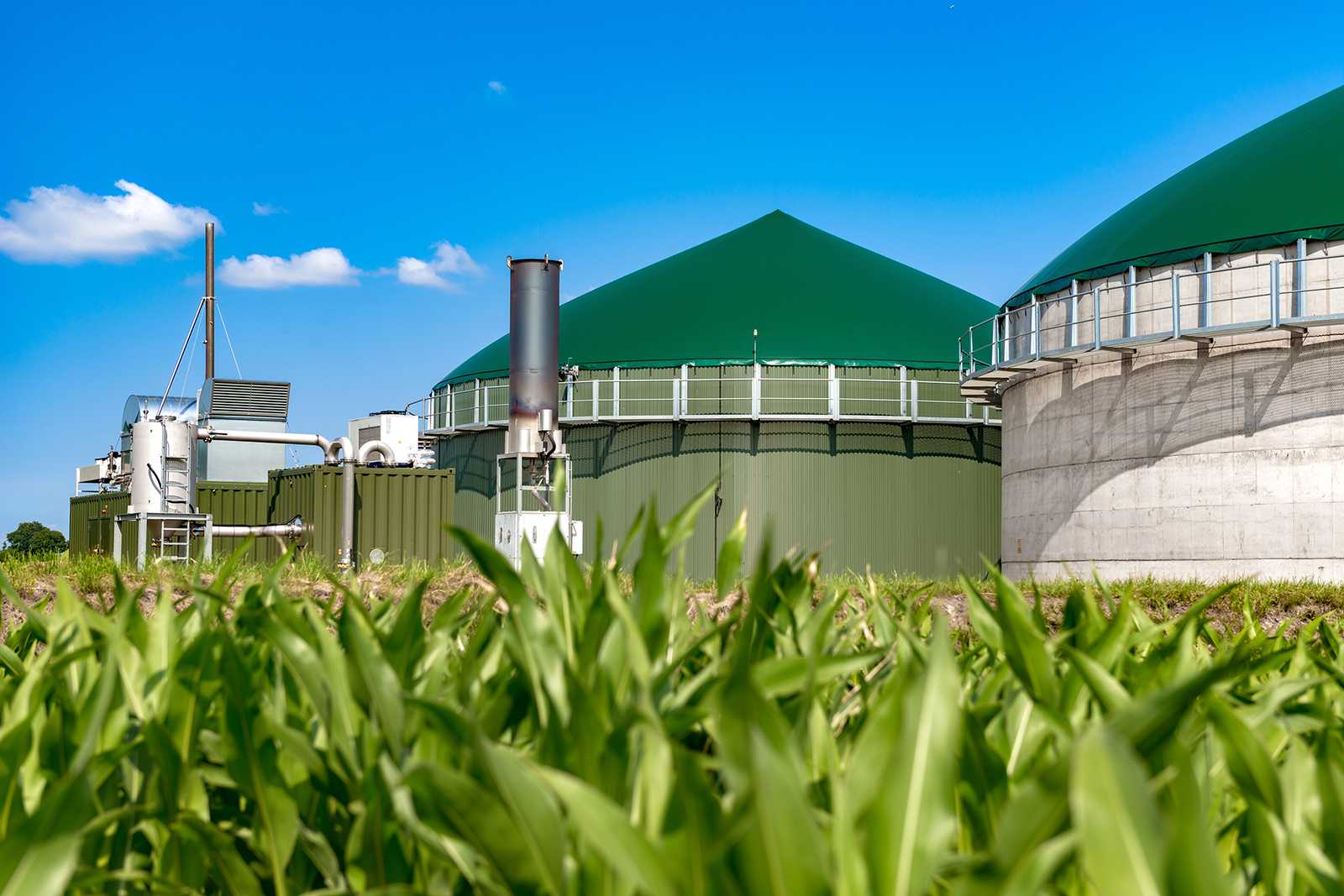
In this project, a major urban community implemented a biomethane production unit connected to a wastewater treatment plant. The system supplies both the local gas distribution network and a public vehicle refueling station. 

The challenge was clear: deliver a safe, fully autonomous odorization solution specifically adapted to mobility use — where space is tight, conditions are harsh, and simplicity is non-negotiable. 

The Challenge - When mobility meets real-world constraints

Mobility applications are fundamentally different from traditional grid injection. There are no dedicated buildings, meaning the entire system must operate outdoors, fully exposed to the elements. Gas flow rates are low and variable. Budgets are tight on both CAPEX and OPEX. And above all, the solution must be plug-and-play — because complexity kills project timelines. 

At the same time, safety cannot be compromised. Biomethane is naturally odorless and must remain detectable at all times to protect end users and the public. 

The operator didn't need a standard solution. They needed a robust, low-maintenance system built for real field conditions — one that could be deployed fast and forgotten about. 
The Solution - A compact, autonomous odorization skid built for mobility

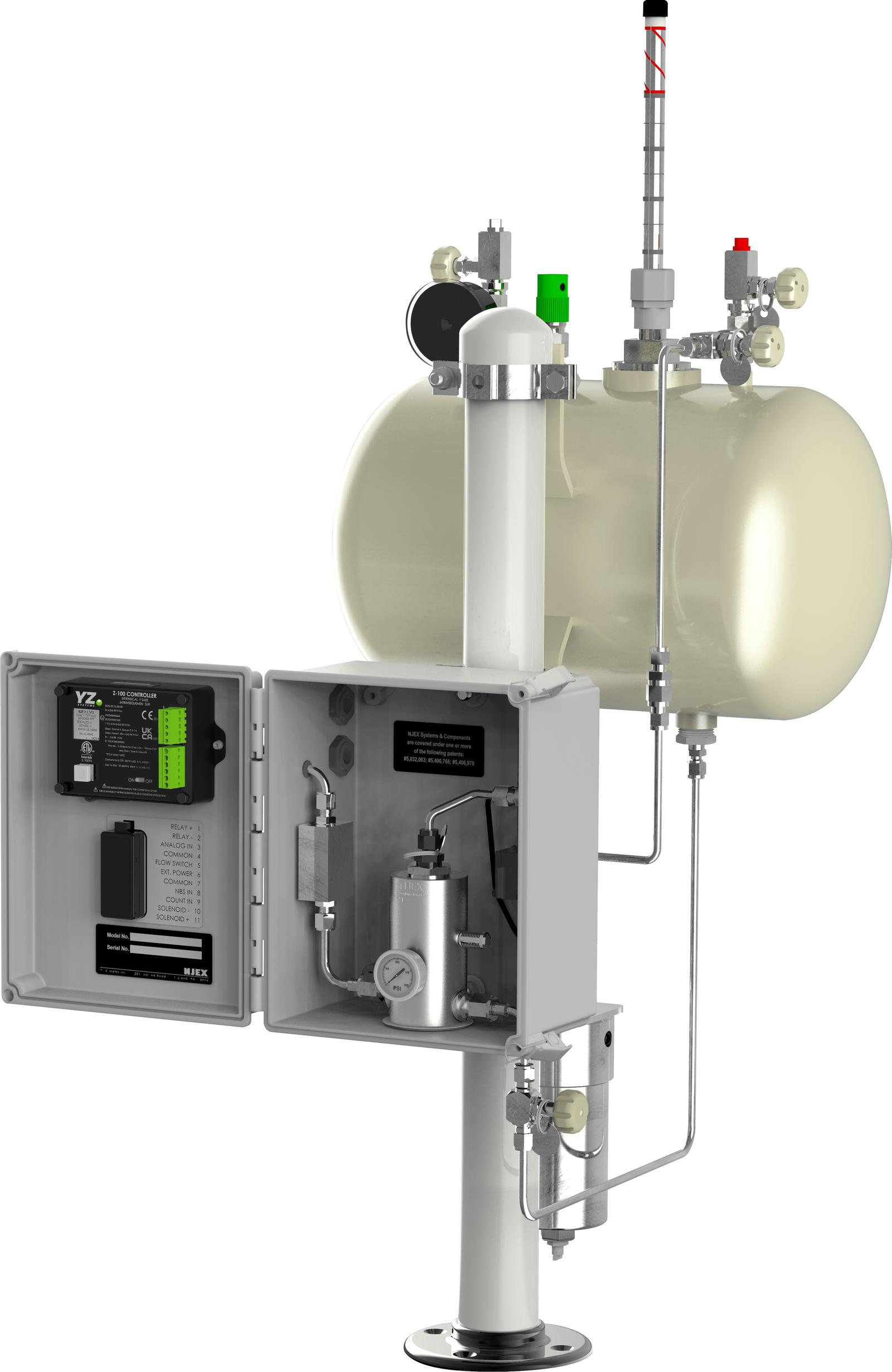
YZ Systems delivered a tailored solution based on the LVO – Low Volume Odorizer, specifically engineered for low-flow biomethane applications. 

The defining design choice was pneumatic operation over electrical pumping. By leveraging compressed air or nitrogen already available on site, the system eliminates dependency on electrical power, maximizes reliability in outdoor environments, and significantly reduces both installation complexity and cost. 

The result is a fully integrated skid — compact, outdoor-ready, and ATEX-compatible — equipped with a 15-litre odorant tank that provides over one year of autonomy without refill. Once the biomethane is odorized, it is compressed up to 300 bar and stored for vehicle refueling. 

Why does it matter? From technical solution to operational advantage

This is not just an odorization system — it's a project enabler. 

By combining simplicity, autonomy, and reliability, the LVO allows operators to deploy faster, reduce maintenance interventions, lower lifecycle costs, and secure fuel distribution from day one. In short, it removes complexity from biomethane mobility projects and turns safety compliance into a competitive advantage rather than a burden.

Enabling safe and scalable bioCNG mobility

The delivered solution allowed the operator to secure biomethane fueling operations, simplify installation and commissioning, operate with near-zero maintenance, and reduce total cost of ownership. 

Most importantly, it enabled the deployment of a cleaner mobility ecosystem — powered entirely by local renewable energy.

Beyond mobility, a scalable solution for the entire biomethane value chain

The same LVO technology is already widely deployed across the broader biomethane landscape: biogas upgrading stations, grid injection points — in both pneumatic and electrical configurations — and agricultural and industrial plants. 

It also supports emerging applications such as biomethane cylinder filling and renewable gas for agricultural equipment like tractors and engines. 

This makes the LVO more than a product. It's a key component of the circular energy transition — wherever biomethane flows, safety follows.